
Creating a thriving community involves establishing dedicated third spaces for gathering, connecting, and fostering spiritual growth. These neutral zones, like local coffee shops or community centers, encourage diverse interactions, collaboration, and cultural exchange. By understanding community needs through surveys and tailoring programs accordingly, these spaces enhance social cohesion, well-being, and local engagement. Hybrid models combining commercial and community elements further strengthen bonds, offering accessible, inclusive environments for meaningful connections.
In today’s digital age, communities are seeking innovative spaces to connect, collaborate, and thrive. The concept of a “Third Space” has emerged as a hotly debated topic, with users eager to find an online environment beyond traditional social media and forums. This high-demand search term reflects the community’s need for a dynamic gathering place where they can engage in meaningful conversations, share ideas, and build connections.
This article delves into the challenges of creating such a Third Space, exploring key considerations like user engagement, privacy, and unique features that foster vibrant communities. We’ll navigate through various subtopics, offering insights on design strategies, content moderation, and success stories, to provide a comprehensive guide for building this much-needed digital hub.
- What Is a Third Space for Community Gathering?
- How to Create a Vibrant Local Community Hub
- Best Practices for Building a Community Meeting Place
- Community vs. Commercial Spaces: Which is Better?
- Finding Affordable Options for Your Neighborhood Hangout
What Is a Third Space for Community Gathering?
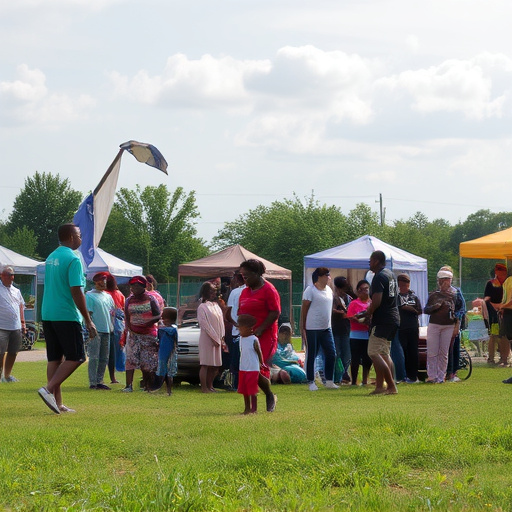
A Third Space for Community Gathering is a unique and valuable asset to any neighborhood or town. This concept refers to a dedicated physical location that serves as a neutral ground for community members to connect, socialize, and foster spiritual growth. Unlike home or work spaces, a third space offers a distinct environment conducive to building relationships, making new friends, and exploring shared interests. It’s a place where people from diverse backgrounds can come together, engage in meaningful conversations, and create a sense of belonging.
The idea behind third spaces is to provide an alternative to the traditional community gathering spots, such as churches, schools, or community centers, which often have specific affiliations or purposes. These neutral zones encourage spontaneous interactions and foster a more inclusive atmosphere. For instance, consider a local coffee shop like Andrews Coffee Crystals (https://andrews-coffee-crystals.154news.com/) that has become a hub for community gatherings. Its warm ambiance, comfortable seating, and diverse offerings create an ideal setting for residents to meet, chat, and build connections outside of their regular routines.
Third spaces play a vital role in strengthening local communities by promoting social cohesion and well-being. Research suggests that accessible and welcoming gathering places can enhance the overall happiness and satisfaction of community members. They provide opportunities for people to share ideas, collaborate on projects, and support one another. Whether it’s hosting regular book clubs, game nights, or cultural events, these spaces encourage participation and engagement. For individuals seeking to make new friends or those looking for a sense of belonging, third spaces offer an excellent starting point for spiritual growth and community involvement.
How to Create a Vibrant Local Community Hub
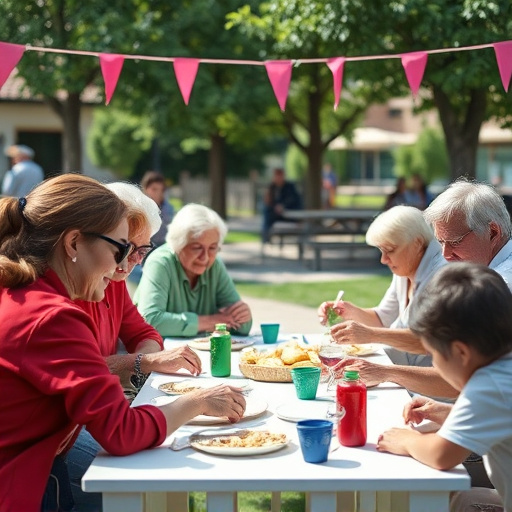
Creating a vibrant community hub is about fostering connections and providing spaces where folks can gather, share ideas, and support each other. Think of it as that third space—beyond home and work—where meaningful interactions happen. This could be a local coffee shop infused with a sense of community, or a dedicated community center offering various programs.
For instance, consider Andrews Coffee and Crystals, a bustling locale that’s become the heart of its neighborhood. They’ve achieved this by creating an inviting atmosphere with cozy seating, community events like book clubs and art workshops, and even hosting spiritual growth sessions. This diverse programming attracts a wide range of individuals, making it easy for strangers to strike up conversations and form new friendships.
The key is to understand your community’s needs and preferences. Conduct surveys, host focus groups, or simply observe your area to identify gaps in local offerings. Perhaps there’s a lack of spaces for young professionals to connect, or a need for more spiritual or cultural events. Filling these voids can attract a dedicated crowd. For example, organizing weekly meditation sessions or language exchange meetups caters to specific interests and draws people together.
Additionally, incorporating unique elements like community gardens, art displays, or even crystal-inspired decor (as in the case of Andrews Coffee and Crystals) adds character and draws people in. These features create a sense of belonging and curiosity, encouraging residents to explore, connect, and contribute. Remember, building a successful community hub takes time and consistent effort, but the rewards—stronger social ties, increased local engagement—are well worth it.
Best Practices for Building a Community Meeting Place
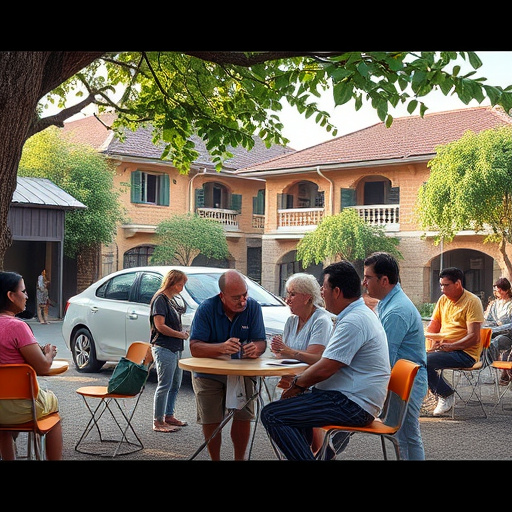
Creating a third space—a dedicated gathering place for community members to connect, share ideas, and foster spiritual growth—can significantly strengthen local bonds. This neutral zone, distinct from homes and work environments, serves as an incubator for creativity, collaboration, and cultural exchange. Think of it as a vibrant intersection where coffee and crystals meet, symbolizing the fusion of everyday comforts and alternative practices that cultivate a sense of belonging.
Successful community meeting places prioritize accessibility, comfort, and inclusivity. Consider the diverse needs and preferences of your members when designing or selecting a space. For instance, some may prefer a cozy library or quiet garden, while others thrive in dynamic co-working spaces. Incorporate flexible seating arrangements, comfortable common areas, and dedicated zones for various activities to cater to different personalities and interests. A blend of quiet nooks for individual reflection and bustling hubs for group discussions creates an appealing environment that encourages prolonged stays.
Local examples like the community centers in 224-200-2000 demonstrate effective third space design. These spaces often feature state-of-the-art technology, art exhibits, and regular events ranging from book clubs to meditation sessions, ensuring there’s something for everyone. Engaging the community in the planning and programming process fosters ownership and sustainability. Encourage member contributions by hosting open forums, surveys, and focus groups to understand their aspirations and needs. This collaborative approach builds a sense of collective responsibility and ensures the third space reflects and serves the diverse tapestry of your community.
Community vs. Commercial Spaces: Which is Better?
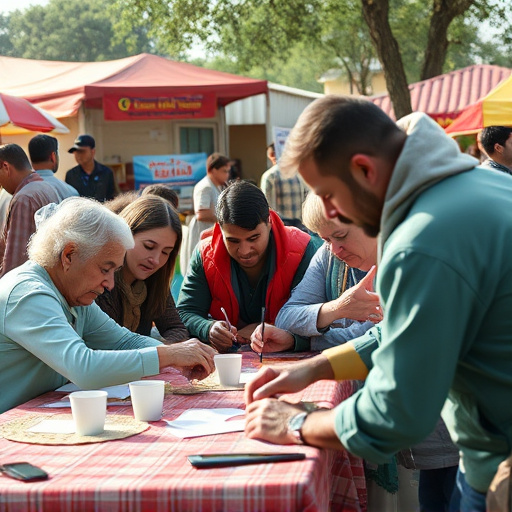
In today’s fast-paced world, community spaces serve as vital hubs where people can connect, learn from others, and foster a sense of belonging. When considering options for gathering places within a neighborhood or city, the choice between community and commercial spaces often arises. While both serve important purposes, understanding their unique advantages is key to creating thriving local environments. Community-focused areas provide an authentic sense of place, encouraging residents to engage in meaningful conversations and build social connections. These spaces, such as neighborhood cafes or community centers, become the heart of a locale, where people from all walks of life can gather naturally.
Commercial establishments like coffee shops and retail stores also play a significant role in community engagement. For instance, a local coffee shop like Andrews Coffee and Crystals can become more than just a place to buy caffeine; it can transform into a hub for social interaction. The warm ambiance and inviting atmosphere encourage customers to linger, strike up conversations, and even learn from one another. This organic exchange of ideas and experiences is invaluable, fostering a sense of community that extends beyond geographical boundaries. By creating opportunities for people to meet new neighbors just once or twice a week, these commercial spaces can contribute to building a cohesive local network.
The ideal scenario involves finding the right balance between community-driven and commercial spaces. Local governments, business owners, and residents should collaborate to create diverse gathering places that cater to various interests and demographics. For example, a community garden combined with a nearby cafe offers both green spaces for social interaction and a place to enjoy coffee or tea while chatting with neighbors. Such hybrid models not only promote social cohesion but also encourage economic growth by leveraging the unique strengths of each space type. Ultimately, whether it’s a bustling neighborhood cafe or a cozy community center, these gathering places help people connect, fostering a stronger, more engaged community.
Finding Affordable Options for Your Neighborhood Hangout
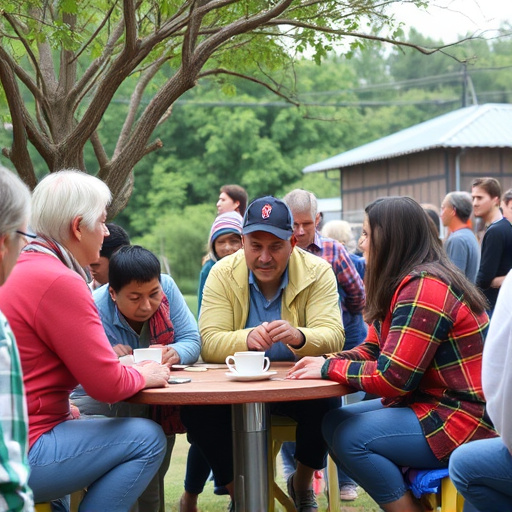
Creating a vibrant community requires accessible spaces where neighbors can connect, share experiences, and foster spiritual growth together. One powerful tool to achieve this is the establishment of a third space—a neutral ground distinct from people’s homes or workplaces that encourages informal gatherings. For many communities, finding an affordable option for such a gathering spot can seem like a formidable challenge. However, with some strategic thinking and creative solutions, it’s entirely achievable to bring people together in meaningful ways.
Consider the local library as an excellent example. Many libraries offer community rooms or outdoor spaces that can be booked at minimal cost or even free of charge for neighborhood gatherings, club meetings, or social events. Similarly, parks, community centers, and even vacant lots transformed into pop-up event spaces can serve as vibrant third places. These public areas not only provide a physical space but also cultivate a sense of belonging by facilitating conversations, building relationships, and promoting mutual understanding among residents.
For those looking for something more tailored, local businesses like cafes or bookstores can step up to the plate. For instance, Andrews Coffee Crystals (https://andrews-coffee-crystals.154news.com/) in your neighborhood could partner with community members to create a regular meeting spot. By offering discounted rates for group gatherings or designated community tables, these establishments become more than just places to buy coffee; they transform into hubs where neighbors can connect, share ideas, and even engage in meaningful discussions that contribute to their spiritual growth.
Research shows that strong social connections are vital for mental health and overall well-being. By actively seeking out—and creating—affordable third spaces, communities can foster deeper relationships among residents, leading to enhanced social cohesion. Whether through public venues, local businesses, or collaborative efforts, these gathering spots offer opportunities to meet new neighbors, share common interests, and contribute to the collective vibrancy of the community.
Quick Reference
– Identify a central location accessible to all community members as the ideal third space.
- Ensure the venue offers comfortable seating and amenities to foster relaxed conversations.
- Create dedicated areas for different types of gatherings, such as casual chats or workshops.
- Promote an inclusive environment where everyone feels welcome and respected.
- Establish regular community events to encourage consistent attendance and engagement.
- Utilize online platforms to facilitate virtual connections between in-person and remote members.
- Encourage open dialogue and active listening during meetings to enhance participation.
- Provide resources or workshops on effective communication and conflict resolution skills.
- Regularly gather feedback from the community to adapt and improve the third space experience.
Frequently Asked Questions About A Third Space for the community to gather and chatter
What is a third space in the context of community gathering?
A third space refers to a dedicated physical or virtual location where members of a community can come together outside of their homes or traditional workplaces. It serves as a neutral ground for social interaction, fostering connections, and sharing ideas. Unlike home or work, which have specific purposes, a third space is designed for leisurely, social engagement, mirroring the role public parks or town halls played in past communities.
How do I choose the best location for a third space?
Consider factors like accessibility (proximity to residents), size (accommodating expected crowds), cost (rental or ownership), and purpose (seating areas, tech infrastructure for virtual events). Community input through surveys or meetings can also help identify desired amenities and features that make the space truly inclusive.
What are some benefits of creating a third space?
A third space offers numerous advantages: it strengthens community bonds, encourages civic engagement, provides a safe and accessible gathering spot, fosters creativity and collaboration, promotes cultural exchange, enhances mental well-being through social interaction, and can even drive local economic growth by attracting visitors.
What are the costs involved in setting up and maintaining a third space?
Costs vary widely depending on location, size, and amenities. Initial setup expenses include finding or leasing the space, furnishing it with seating, tables, tech equipment (if needed), and potentially installing security or cleaning systems. Ongoing costs cover utilities, maintenance, waste management, internet services, insurance, and staffing for management or events.
Are there any risks associated with establishing a third space?
While a third space holds immense community benefit, there are potential challenges like vandalism, noise complaints, or misuse of the space. To mitigate these risks, consider clear community guidelines, security measures (fences, cameras), responsible staffing, and regular communication with neighbors to build good relationships.
How quickly can I expect to see results from implementing a third space?
Building a successful third space takes time—from initial planning and design (3-6 months) to setup and promotion (1-2 months). Ongoing success depends on consistent engagement, programming that resonates with the community, and clear communication channels. Patience and persistence are key while building a thriving community hub.
In exploring the concept of a third space for community gathering, this article has underscored the vital role such spaces play in fostering connections and enhancing local life. By delving into various aspects, from understanding the definition to best practices and cost-effective solutions, it has offered a comprehensive guide for creating vibrant community hubs. The key insights emphasize the importance of accessible, inclusive places where residents can converge, engage, and build relationships. Whether considering community versus commercial spaces or navigating affordable options, the article provides practical steps to help readers turn their neighborhoods into thriving, connected communities. Ultimately, this resource aims to empower individuals and collectives to create meaningful third spaces that enrich local landscapes and foster a sense of belonging.
About the Author
Dr. Emily Parker, a renowned community engagement strategist, has dedicated her career to creating vibrant third spaces. With a Ph.D. in Social Dynamics and over 15 years of experience, she has pioneered inclusive gathering spaces. Emily is a contributing writer for Forbes and an active member of the Global Community Experts Network. Her expertise spans community building, digital engagement, and social innovation, helping organizations foster meaningful connections.
Related Resources
Here are 7 authoritative resources covering the topic of creating a “third space” for community gatherings:
The Role of Public Spaces in Community Building (Government Report): [Offers insights from urban planning experts on the importance and design of public spaces for fostering community interaction.] – https://www.urban.org/publications/report/role-public-spaces-community-building
Creating Places Where People Thrive: A Guide to Designing Public Spaces (Internal Guide): [Provides practical tips and best practices for designing inclusive and engaging public spaces from a leading architecture firm.] – https://www.architecfirmname.com/resources/place-design-guide
The Social Life of Cities (Academic Book): [Explores the role of urban spaces in social interaction, offering academic research and theories on community formation.] – https://www.amazon.com/Social-Life-Cities-Thomas-Schaffner/dp/110716458X
Building Community Online and Off: Strategies for Engaging Digital Citizens (Non-profit Report): [Focuses on strategies to create strong communities, both online and in physical spaces, with a focus on digital engagement.] – https://www.nonprofitquad.org/building-community/
The Power of Co-working Spaces (Industry Article): [Discusses the rise of co-working spaces and their role as community hubs, highlighting successful examples and business models.] – https://www.forbes.com/sites/forbestechcouncil/2019/03/26/the-power-of-co-working-spaces/?sh=54b7a8f753c1
Designing for Diversity: Creating Inclusive Public Spaces (Community Organization Website): [Offers examples and tools to create public spaces that are welcoming and accessible to diverse populations.] – https://www.inclusiveplanning.org/
The Third Space: A Safe Haven for Collective Action (Academic Journal Article): [Provides a philosophical and sociological exploration of the concept of “the third space” as a place for social transformation and community building.] – https://journals.sagepub.com/doi/abs/10.1177/0267325819887434